As a top-tier LED downlights exporter and commercial luminaires OEM manufacturer, we provide international procurement teams, mechanical/electrical engineers, and architectural lighting specifiers with rigorous photometric quality, high energy efficiency, and long-term thermal reliability.
Precision-engineered high bay fixtures, linear battens, architectural pendants, and IP65 vapor-tight systems built for high-performance projects.
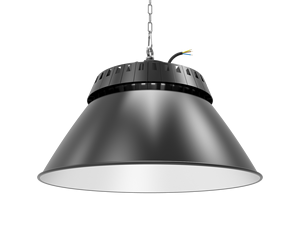
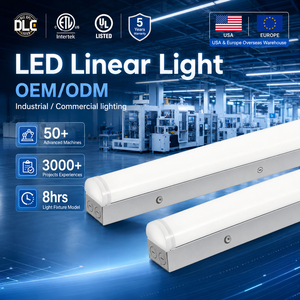
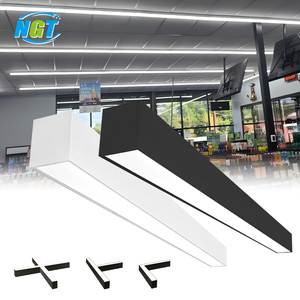
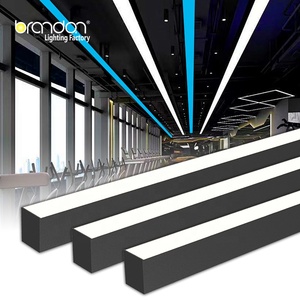
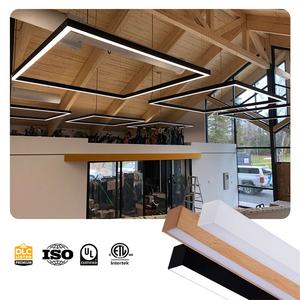
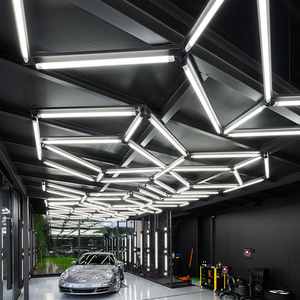
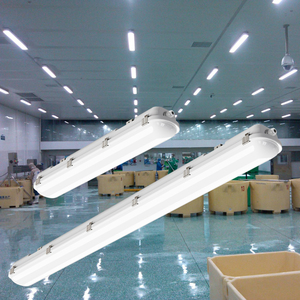
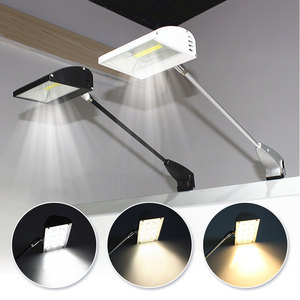
In the rapidly evolving landscape of commercial architecture, hospitality design, and industrial facility construction, procuring high-grade LED downlights and linear luminaires demands far more than basic lumen-per-watt comparisons. Modern enterprise lighting infrastructure requires a rigorous evaluating framework encompassing optical geometry, spectral consistency (CRI & TM-30 standards), advanced thermal dissipation pathways, dynamic driver harmonics, and lifelong compliance certification.
As a globally recognized LED downlights exporter and contract OEM lighting manufacturer, our production workflows are built on precision engineering principles. This technical guide synthesizes two decades of architectural lighting manufacturing experience to help commercial project managers, electrical distributors, and specifiers mitigate procurement risk, optimize total cost of ownership (TCO), and guarantee flawless on-site installation performance.
Core Procurement Rule: Luminous efficacy must never be achieved at the expense of visual comfort. Standardized specifications should mandate unified glare rating limits (UGR < 19), 3-step MacAdam Ellipse color consistency, and thermal junction temperature management under 75°C.
Modern commercial downlights must deliver high optical fidelity without visual fatigue. Standard LED chips often suffer from blue-light spikes and high glare index ratings. Enterprise-grade architectural downlights utilize remote phosphor technology or high-CRI (Ra > 90 / Ra > 95) chip-on-board (COB) arrays that maintain R9 values above 50. This ensures accurate rendering of warm wood tones, merchandise textiles, and human skin tones in high-end retail and luxury hospitality environments.
| Specification Parameter | Commercial Standard Grade | Enterprise Architectural Grade (Our Standard) | Procurement Impact |
|---|---|---|---|
| Color Consistency | 5-Step MacAdam Ellipse | ≤ 3-Step MacAdam Ellipse (2-Step Optional) | Eliminates visible CCT variance between adjacent ceiling cutouts. |
| Color Rendering (CRI / TM-30) | CRI 80+ (R9 < 0) | CRI 90+ / 95+ (R9 > 50, Rf > 90, Rg > 98) | Delivers true architectural color representation without spectrum gaps. |
| Glare Control (UGR) | UGR > 22 (Direct Diffuser) | UGR < 19 / UGR < 13 (Deep Baffle Optics) | Meets WELL Building Standard and EN 12464-1 office ergonomics. |
| Driver Lifetime & THD | 30,000 Hrs | THD < 20% | 100,000 Hrs | THD < 10% | PF > 0.95 | Prevents electrical harmonic pollution and reduces maintenance calls. |
The premature decay of lumen output (L70/L80 degradation) and color shifting in recessed downlights is directly linked to inadequate thermal design. Premium downlight housings utilize die-cast ADC12 aluminum heat sinks engineered via computational fluid dynamics (CFD) simulation. By maximizing surface area through deep radial fins, heat is rapidly conducted away from the LED junction area.
Furthermore, for damp and wet locations—such as luxury hotel bathrooms, exterior soffits, or industrial washdown facilities—fixtures must incorporate dual-stage silicone gasketing, anti-corrosive powder coatings passing 500-hour salt spray tests (ASTM B117), and pressure-equalization valves to prevent internal moisture condensation.
Strategic guidance for procurement managers navigating the transition toward smart, sustainable, and human-centric architectural lighting ecosystems.
Transitioning from static color temperatures to dynamic 2200K–6500K spectrum tuning. Dual-channel drivers integrated with DALI-2 DT8 protocols allow facilities to mirror natural sunlight cycles, enhancing occupant wellbeing and productivity in modern workplaces and healthcare environments.
Recessed downlights and linear fixtures are increasingly serving as the digital backbone of smart buildings. Integrating micro-occupancy sensors, daylight harvesting logic, and Bluetooth Mesh/Matter nodes into luminaire bezels reduces ambient facility energy consumption by up to 65%.
Global environmental regulations (EU EcoDesign Directive, Title 24) are driving demand for modular downlights. Toolless field-replaceable light engines, drivers, and optics prevent total luminaire disposal during maintenance cycles, vastly extending ceiling fixture lifespans.
With over 25 years of specialized lighting engineering, custom metal spinning, hand-applied metal finishing, and electrical assembly, our state-of-the-art facility bridges the gap between architectural creative intent and physical engineering reality. Unlike catalog traders or component assemblers, we manage the complete lifecycle of luminaire production under one roof.
Our dedicated engineering team translates rough concept sketches, architectural reflected ceiling plans (RCP), and BIM/Revit models into detailed shop drawings and IES simulation files within 72 hours.
Every production run undergoes 100% 48-hour electrical burn-in testing, high-voltage insulation tests, sphere spectroradiometer validation, and IPX5/IPX6 water spray testing prior to international export packaging.
We hold comprehensive UL, ETL, CE, RoHS, and DLC certifications. Our export logistics team provides crate-by-zone custom packaging, clear terminal marking, and field-rigging support for rapid installation.
Direct technical clarification on ordering, OEM customization, certifications, lead times, and warranty support.
Submit your design drawings, luminaire schedules, or technical RFP requirements directly to our senior engineering team for rapid quotation, shop drawing submittals, and photometric analysis.
Contact Us