Modern interior lighting procurement requires a sophisticated balance between optical efficiency, aesthetic precision, strict regulatory compliance, and thermal engineering. As global architectural standards evolve toward human-centric lighting (HCL) and smart controls, specifying engineers and contract buyers must partner with manufacturers capable of delivering rigorous customization, certified reliability, and seamless supply-chain integration.
Engineered for commercial offices, luxury hospitality, high-bay industrial facilities, and architectural interior installations.
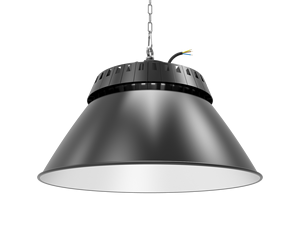
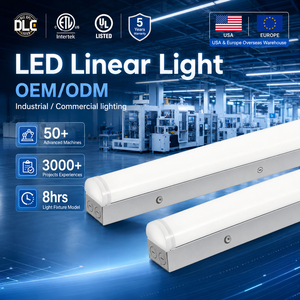
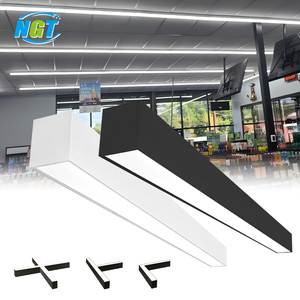
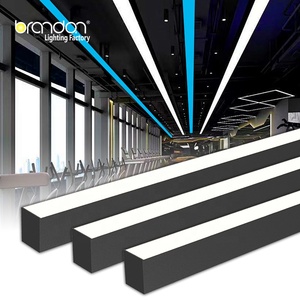
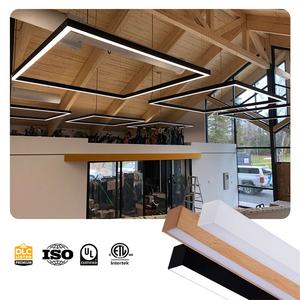
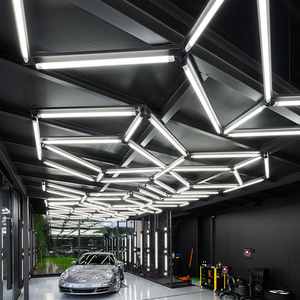
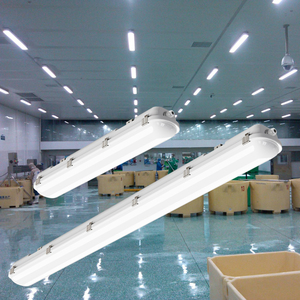
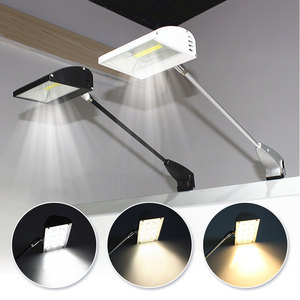
The global interior lighting market has undergone a dramatic transformation driven by advancements in solid-state lighting (SSL), intelligent digital controls (DALI-2, Zigbee 3.0, Bluetooth Mesh), and stringent energy code frameworks such as ASHRAE 90.1, Title 24, and the EU EcoDesign directive. For commercial specifiers, electrical wholesalers, real estate developers, and hospitality procurement executives, selecting a lighting supplier is no longer a simple transactional purchase—it is a critical technical partnership.
Sourcing from top-tier interior lighting factories requires evaluating key manufacturing parameters: in-house CNC metal fabrication capabilities, optical beam refinement, driver thermal coupling, spectral quality control (CRI > 90, R9 > 50, MacAdam Ellipse SDCM < 3), and compliance submittal turnaround times.
When evaluating commercial lighting suppliers globally, specifying engineers and B2B buyers must benchmark factories across four core dimensions of operational excellence:
Leading suppliers utilize micro-prismatic optical diffusers, internal reflector cups, and high-efficiency optical grade PMMA lenses to achieve exact beam distribution while keeping Unified Glare Rating (UGR) under 16-19 for office comfort.
Aluminum alloy extrusions (6063-T5) combined with heavy die-cast heat sinks ensure LED junction temperatures (Tj) remain well below 85°C, ensuring true L80B10 operational lifespans exceeding 50,000 hours.
Certified production lines with North American UL/ETL listings, European CE/RoHS, and DLC Premium efficiency qualifications provide absolute confidence during local building code inspections.
Below is a standardized technical specification matrix comparing key interior luminaire categories produced by commercial lighting factories:
| Luminaire Category | Typical Efficacy (lm/W) | Color Rendering (CRI) | Dimming Protocols | Structural Material | Certifications |
|---|---|---|---|---|---|
| LED High Bay (Industrial) | 140 – 170 lm/W | Ra > 80 / Ra > 90 | 0-10V, PWM, DALI-2, Motion Sensor | Die-cast ADC12 Aluminum | UL, ETL, CE, IP65, IK08 |
| Architectural Linear Pendant | 110 – 140 lm/W | Ra > 90, R9 > 50 | DALI-2, 0-10V, Triac, Wireless Mesh | 6063-T5 Extruded Aluminum | UL, CE, DLC 5.1 Premium |
| Tri-Proof Vapor Tight | 120 – 150 lm/W | Ra > 80 | 0-10V, Emergency Back-up Battery | Polycarbonate / ABS / SS Clips | IP65/IP66, IK10, NSF, CE |
| Custom Hospitality Lighting | 90 – 120 lm/W | Ra > 95, TM-30 Rf>93 | Phase Dimming, ELV, Casambi, DMX | Spun Brass, Bronze, Blown Glass | UL/ETL Listed Assemblies |
Understanding market trajectories allows procurement leaders to future-proof real estate assets and avoid premature lighting system obsolescence. Major shifts dominating the commercial interior lighting sector include:
Architectural spaces increasingly mandate biological light calibration. Tunable white technology (2200K warm candleglow to 6500K daylight spectrum) synced with circadian rhythms improves workplace productivity and luxury hospitality ambiance. Multi-channel LED drivers and dual CCT linear engines have moved from custom upgrades to standard project specifications.
With European Sustainability Reporting Standards (ESRS) and global ESG directives gaining traction, top interior lighting suppliers are designing luminaires for effortless modular component replacement. Drivers, LED engines, and optical assemblies are designed with toolless latches and standard connector blocks, drastically lowering lifetime maintenance waste.
The integration of miniature Occupancy & Daylight Harvesting sensors directly into linear light extrusions and high bays enables automated energy savings of up to 65%. Standard protocols like DALI-2, Casambi, and Matter allow complete building management system (BMS) interoperability without complex hardwiring.
Eye comfort and visual ergonomics are driving optical engineering. Micro-louver technology, dark light reflectors, and continuous frosted indirect lenses ensure maximum delivered foot-candles on working planes without direct lamp glare or visual fatigue in modern high-density workspaces.
As showcased by leading custom contract manufacturers like Lusive Decor, high-end commercial projects require complete vertical integration from concept sketch to site delivery:
Answers to critical questions faced by architectural specifiers, developers, and contract buyers when selecting lighting suppliers.
Yes. Premium OEM/ODM lighting manufacturers maintain dedicated engineering teams who review initial design intent sketches, CAD files, or reflected ceiling plans. The factory generates detailed dimensioned shop drawings, photometric guidance, and physical finish sample sets for architectural sign-off before manufacturing begins. Intellectual property rights remain fully protected.
Tier-1 lighting suppliers manufacture fixtures under recognized certification programs including UL 1598 / ETL for North America, CE / RoHS for Europe, and SAA / C-Tick for Australasia. Damp-location, wet-location (IP65/IP67), California Title 24 energy efficiency, and structural seismic bracing details are addressed during the engineering review stage.
Standard prototype and mock-up samples are typically completed within 3 to 4 weeks, enabling design teams to evaluate scale, CCT color rendering, and finish on-site. Full production orders generally require 10 to 14 weeks from shop drawing approval, depending on glass component complexity and custom plating finishes.
Professional B2B factories archive every project's engineering submittals, finish formulas, optical profiles, and component bills of materials (BOM). Because tooling and finish recipes are managed in-house, exact matching components, replacement LED boards, or drivers can be remanufactured years after project completion.
Fixtures are crated in custom-engineered, ISPM-15 compliant wooden cases with high-density molded foam inserts. Complex linear lighting arrays and multi-tier chandeliers are organized into numbered assembly kits with color-coded wiring harnesses and field installation manuals to accelerate jobsite mounting.
Submit your design intent drawings, project bill of materials, or custom fixture requirements to our senior engineering team for immediate review, shop drawing support, and factory-direct pricing.
Inquire Now