Direct factory-engineered luminaires, linear standing lamps, high bays, and contract fixtures manufactured for rigorous commercial performance.
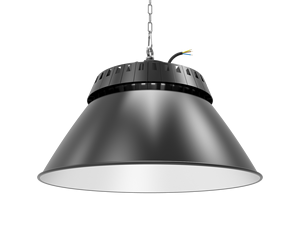
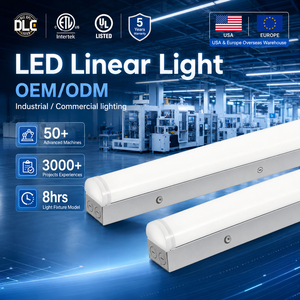
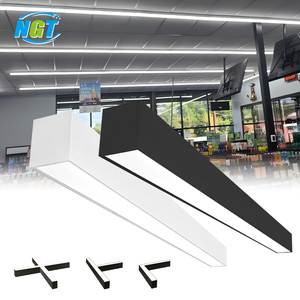
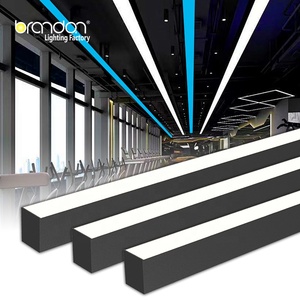
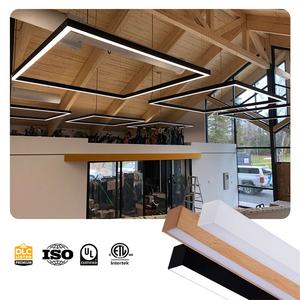
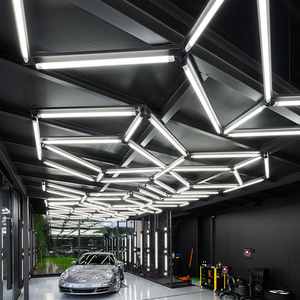
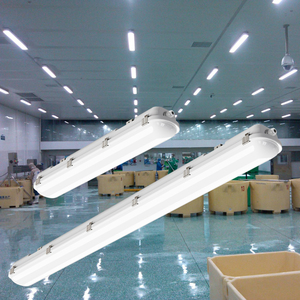
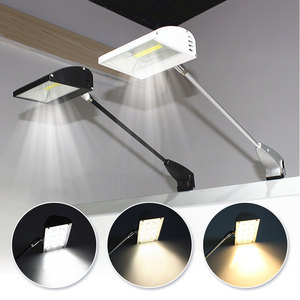
The global contract and architectural lighting sectors have undergone a structural paradigm shift. Where floor lamps were once classified primarily as decorative portable accessories, modern commercial space planning treats standing luminaires as critical architectural elements. Interior specifiers, hotel developers, corporate workplace designers, and procurement managers now demand floor lamps that merge custom industrial aesthetics with stringent photometric efficacy, smart building integration, and robust structural durability.
China has solidified its position as the world’s leading hub for floor lamp manufacturing and architectural luminaire export. However, identifying the best floor lamps factory in China requires navigating a vast landscape of suppliers ranging from low-cost assembly workshops to high-precision engineering partners capable of hand-crafting bespoke contract fixtures. This white paper presents a comprehensive technical framework for procurement executives seeking to optimize supply chain integrity, ensure regulatory compliance, and leverage information gain in OEM/ODM sourcing.
Core Procurement Insight: Leading Chinese exporters have moved beyond simple assembly. Top-tier factories now integrate full in-house metal spinning, CNC machining, automated powder coating, hand-patinating, and advanced photometrical testing laboratories capable of issuing IES files and guaranteeing UL, ETL, CE, and RoHS compliance directly from the factory floor.
In-house spinning of solid brass, bronze, copper, and stainless steel. Blown, cast, seeded, and slumped glass profiles engineered to design intent.
Fully compliant with UL 153 (Portable Electric Luminaires), ETL, CE, Title 24, and damp-location standards for global commercial deployments.
Tunable White (2200K–6500K), 95+ CRI LED engines, DALI-2, 0-10V, Casambi wireless dimming, and integrated USB/wireless guest chargers.
When issuing Requests for Quotation (RFQs) to Chinese lighting factories, specifying standardized engineering parameters is critical to prevent product substitution, ensure structural stability in high-traffic commercial environments, and secure predictable lead times.
| Specification Parameter | Commercial Grade Standard | Hospitality & Luxury Spec | Engineering Benefit |
|---|---|---|---|
| Base Weight & Stability | Cast iron core > 4.5 kg, 8° tilt test compliant | Weighted steel/lead insert > 7.0 kg, 12° tilt compliant | Prevents tipping under ADA guidelines and commercial corridor safety mandates. |
| Structural Materials | Extruded Aluminum 6063-T5 / Mild Steel | H65 Solid Brass / 304 Stainless Steel / Machined Alloy | Resists deformation, corrosion, and wear under daily janitorial impact. |
| Color Rendering Index (CRI) | Ra > 80 (Standard commercial) | Ra > 95, R9 > 80, TM-30 Rf > 92 | Ensures true-to-life rendering of architectural finishes, skin tones, and fabrics. |
| Dimming & Controls | Push-dimmer on pole / Foot switch | 0-10V, DALI-2, Casambi Bluetooth, Phase Dimming | Seamless integration into modern Building Management Systems (BMS). |
| Surface Finishing | Standard Powder Coating (80-100 μm) | Electroplated Satin Nickel / Hand-applied Antique Patina | High chemical and scratch resistance; zero oxidation over 10+ year lifespan. |
| Lead Time (Prototype / Order) | Prototype: 2–3 Weeks; Mass: 6–8 Weeks | Mock-Up: 3–4 Weeks; Custom Order: 10–14 Weeks | Enables full visual and photometric verification prior to site installation. |
As sustainability mandates and occupant-centric lighting design gain global traction, the floor lamp export sector in China is undergoing rapid technological evolution. Global buyers must align their procurement strategies with four key emerging industry trends:
Modern standing luminaires are increasingly expected to support biological wellness. Premier Chinese OEM manufacturers are embedding dual-channel CCT mixing drivers capable of transitioning smoothly from warm 2200K evening illumination to invigorating 6500K daylight. Integrated ambient light sensors automatically adjust lumen output based on daylight availability, reducing overall building HVAC and electrical loads.
To combat supply chain disruptions and lower shipping carbon footprints, advanced exporters are designing floor lamps around modular, knock-down (KD) architectural component systems. By engineering precision threaded joints and hidden fast-connect wiring looms, packaging volume is reduced by up to 60%, drastically cutting international freight costs while allowing individual component replacement during long-term building maintenance.
Global architectural firms are prioritizing suppliers capable of providing Environmental Product Declarations (EPDs), RoHS 3.0 material testing reports, and recycled alloy content certifications. Leading factories in Guangdong and Zhejiang provinces are actively transitioning to 100% recyclable post-consumer aluminum and zero-VOC waterborne protective lacquers.
The boundary between permanent ceiling lighting and portable floor lamps continues to blur. High-end floor lamps now feature indirect optical batwing diffusers that bounce glare-free ambient light (UGR < 19) off ceilings, allowing open-plan office layouts to meet target illuminance levels (300-500 Lux) without retrofitting fixed overhead wiring.
Our manufacturing facility represents the synthesis of traditional metal artisan hand-crafting and state-of-the-art engineering. Operating out of a dedicated 60,000 square-foot production workshop, we serve global lighting specifiers, interior design studios, and commercial importers with end-to-end custom manufacturing services.
Our in-house engineering team translates architectural sketches, CAD models, and render concepts into fully dimensioned fabrication shop drawings within 72 hours.
From hand-spun brass lamp shades to electroplated antique patina finishes, every metal surface undergoes rigorous 7-stage quality checks for finish longevity.
Custom wooden crating, numbered installation kits, clear drop-weight assembly instructions, and field engineering support for large commercial projects worldwide.
Yes. Our engineering division works directly from architectural design intent sketches, 3D CAD models, reflected ceiling plans, or physical samples. We provide comprehensive shop drawings, 3D rendering validation, photometric IES calculations, and physical finish sample boards for client approval prior to initiating mass production.
Our complete luminaire assemblies and electrical components can be manufactured and tested to meet UL 153 (Portable Electric Luminaires), ETL, CE, RoHS, and SAA standards. For commercial hospitality projects in North America, we supply fully listed UL/ETL labels with dedicated file numbers for smooth municipal inspection.
Physical mock-ups and prototypes are generally completed in 3 to 4 weeks, allowing design teams to review scale, light distribution, and metallic finish in site mock-up rooms. Full custom manufacturing orders typically require 10 to 14 weeks from shop drawing sign-off, depending on custom glass profiles and metal finish complexity.
Every manufactured batch undergoes 100% visual, mechanical, and electrical inspection. Integrated LED floor lamps undergo a mandatory 24-hour continuous burn-in test to verify junction temperatures, driver stability, thermal dissipation, and color temperature consistency across all batches prior to drop-testing and protective packing.
We support high-end commercial and luxury hospitality projects with flexible MOQ requirements. While standard production lines benefit from economies of scale, our custom workshop division is structured to fabricate small-batch custom floor lamps and bespoke architectural features for hotel lobbies, restaurants, and luxury residences.
Every commercial order is archived in our ERP system with complete bill-of-materials (BOM), tooling dies, wiring schematics, and finish chemical formulas. We maintain long-term availability for replacement shades, spare LED drivers, touch dimmers, and structural arms to support building refurbishments years after installation.
