In contemporary architectural design, low-level illumination—specifically recessed step lights, wall-mounted pathway fixtures, and architectural accent luminaires—has evolved from purely functional safety features into vital design components that define spatial ambiance, egress orientation, and pedestrian navigation. B2B specifiers, electrical engineering contractors, hospitality developers, and commercial procurement teams demand step lighting solutions that harmonize strict European regulatory compliance (CE Certification, LVD 2014/35/EU, EMC Directive 2014/30/EU) with ultra-precise photometrics, structural durability, and sustainable operational life cycles.
This technical whitepaper provides an exhaustive procurement and technical evaluation guide for commercial buyers sourcing from premier manufacturing facilities. It explores critical photometric distributions, optical glare cutoff angles, mechanical ingress ratings (IP65, IP67, IP68), kinetic impact resistance (IK08 to IK10), thermal dissipational mechanics, smart lighting integration (DALI-2, 0-10V, Zigbee), and lifetime lumen depreciation metrics (L80B10 > 50,000 hours).
Engineered for high-traffic public, commercial, industrial, and architectural environments requiring strict CE conformity.
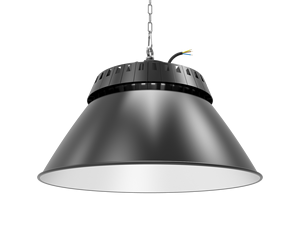
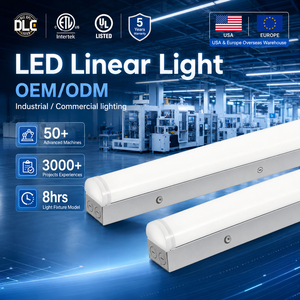
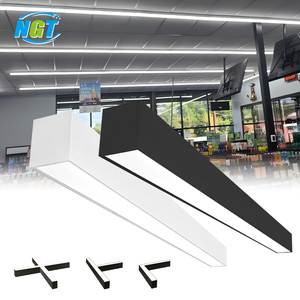
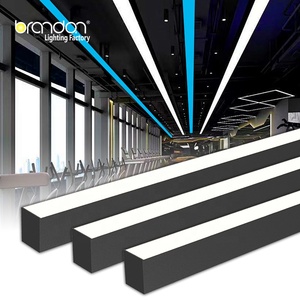
Strategic shift towards smart infrastructure, decarbonization, precision optics, and modular serviceability.
Global procurement is rapidly abandoning isolated fixture deployments. Modern commercial projects mandate DALI-2, 0-10V, or wireless Mesh (Zigbee/Bluetooth Sig) addressable step lights capable of automated light level harvesting, circadian scheduling, and emergency battery backup integration adhering to EN 50172 / EN 60598-2-22 standards.
To eliminate hazardous glare along stairwells and outdoor pathways, architectural specifications now strictly enforce vertical asymmetric beam angles (<15° downward throw) and indirect light engines. Cutoff louver designs guarantee zero upward light pollution, fulfilling strict International Dark-Sky Association (IDA) guidelines.
Lead architects and EPC contractors favor modular step light assemblies built with low-embodied-carbon die-cast aluminum (ADC12) or 316L marine-grade stainless steel. Field-replaceable LED light engines and quick-disconnect driver modules significantly minimize e-waste and lower lifetime total cost of ownership (TCO).
Comprehensive engineering comparison for commercial step and low-level architectural luminaires.
| Specification Feature | Standard Commercial Grade | CE Premium OEM/ODM Grade | Architectural Marine Grade |
|---|---|---|---|
| Housing Material | Standard Aluminum Alloy / ABS Plastics | High-Purity ADC12 Die-Cast Aluminum | Solid Machined 316L Stainless Steel |
| Ingress Protection (IP) | IP54 / IP65 Waterproof | IP67 Sealed Gasket Chamber | IP68 Submersible / Pressure Tested |
| Impact Protection (IK) | IK06 Resistance | IK08 Tempered Glass Front | IK10 Vandal-Proof Optical Shield |
| CE Directive Compliance | Basic LVD Tested | Full LVD (2014/35/EU) + EMC (2014/30/EU) | LVD + EMC + RoHS + REACH + EN60598-2-2 |
| Color Consistency | SDCM < 5 (MacAdam Ellipse) | SDCM < 3 (MacAdam Ellipse) | SDCM < 2 (Ultra-Precise Matching) |
| Lumen Maintenance (L80) | 30,000 Hours | 50,000 Hours (@ Ta 25°C) | > 70,000 Hours (@ Ta 40°C) |
Securing genuine CE certification for step lighting requires rigid engineering adherence to multiple European Norm (EN) standards. Factories must verify compliance not merely through self-declaration, but via accredited third-party laboratory test reports (CNAS / TÜV / Intertek). Key regulatory pillars include:
Compact step light housings present extreme thermal dissipation challenges due to constrained air volume inside wall junction boxes or masonry cutouts. Premium manufacturers utilize integrated copper-core PCBs (MCPCB) directly coupled to precision-milled aluminum heatsinks with thermal paste conductivity ratings exceeding 3.0 W/m-K.
Photometrically, vertical step lights must project asymmetric downward light spreads (typically 30° horizontal by 60° downward) to uniformly illuminate stair treads without exposing line-of-sight bare LEDs to climbing pedestrians. Advanced optical designs leverage indirect bounce reflectors, micro-structured optical acrylic lenses, or dark-light honeycomb louvers to achieve Unified Glare Ratings (UGR) below 10.
When specifying long runs of low-voltage (24V DC) step lights across extensive outdoor pathways or multi-story stairwells, internal line resistance causes cumulative voltage drop, leading to noticeable lux degradation between initial and terminal fixtures. Advanced CE-certified step lights integrate onboard Constant Current IC drivers operating over wide input ranges (18V–30V DC), guaranteeing identical lumen output across every fixture in a 50-meter circuit.
Over two decades of precision manufacturing, serving top-tier lighting brands, specifiers, and global distributors.
Complete internal production control—including CNC precision machining, metal spinning, automated SMT surface mounting, secondary optical assembly, and environmental IP testing chambers—eliminates sub-contractor delays and maintains strict quality control.
Our engineering team converts design sketches or CAD details into fully dimensioned shop drawings, IES photometric files, and physical prototype mock-ups within 3 to 4 weeks, enabling architectural design review before full production runs.
Every manufactured batch undergoes 100% 4-hour electrical burn-in testing, high-voltage flash testing, dielectric breakdown evaluation, and sphere photometer calibration. Every project is archived with exact finish recipes and LED binning codes for future site expansions.
Direct technical answers to common questions from lighting designers, electrical engineers, and factory buyers.
Whether you require customized OEM step lighting solutions, IES photometric planning support, or bulk factory direct pricing for your upcoming commercial project, our engineering team is ready to assist.
