0%

Why Choose Custom Hospitality Lighting for Global Projects?

Global hospitality projects rarely succeed with identical lighting packages. A resort in Bali, a hotel in London, and a restaurant in Dubai serve different climates, cultures, regulations, and guest expectations. Custom Hospitality Lighting responds to those differences through carefully developed optics, finishes, controls, and color temperatures. A softly lit guestroom may need 2700K illumination, while a bright lobby requires stronger vertical light for wayfinding and welcome.

Light shapes memory.

The late architectural lighting pioneer Richard Kelly observed, “Light is not something that can be seen, but something that allows us to see.” His insight remains highly relevant to hotels and resorts. Guests notice the warm glow across a stone reception desk, the controlled sparkle above a dining table, and the absence of glare on polished surfaces. These details influence comfort, atmosphere, photography, and brand perception. Experienced lighting teams also study maintenance access, replacement parts, energy performance, and local installation conditions before production begins.

There is no universal formula. That is the difficult part. A beautiful fixture can fail when its finish conflicts with regional humidity or its control system overwhelms local staff. Global coordination therefore requires more than attractive drawings. It demands verified samples, full-scale mock-ups, photometric testing, and communication with architects, operators, engineers, and contractors. Some assumptions will be wrong. That is acceptable when teams test early, document decisions, and revise responsibly. With this disciplined approach, Custom Hospitality Lighting becomes more than decoration; it becomes a reliable design tool for creating distinctive, comfortable, and operationally practical guest experiences worldwide.
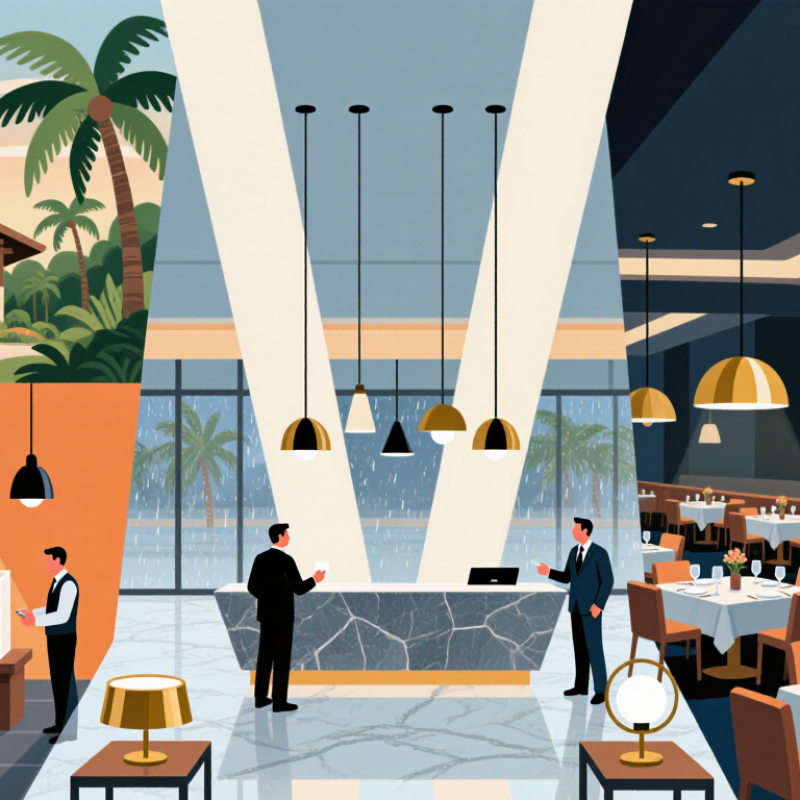
Why Choose Custom Hospitality Lighting for Global Projects?

What Custom Hospitality Lighting Means in Global Projects

Custom hospitality lighting means designing a lighting system around a property’s location, architecture, guests, and daily operations. It is not simply changing fixture shapes or finishes. A coastal resort may need corrosion-resistant materials, while a mountain hotel requires stable performance in colder conditions. Local voltage, fire codes, emergency lighting rules, and maintenance skills also influence every specification.

The environmental case is substantial. The 2023 Global Status Report for Buildings and Construction states that buildings consume 34% of global energy and produce 37% of energy and process-related emissions. Lighting controls, efficient sources, and daylight integration can reduce unnecessary hotel consumption. However, energy savings should not create dark corridors or uncomfortable restaurant tables. Guests notice glare quickly. They also notice when a room feels lifeless.

In global projects, custom lighting usually includes photometric studies, mock-up rooms, dimming strategies, and commissioning on site. Color temperature may shift from a bright lobby welcome to warmer bedside lighting. Public areas need consistent visual comfort across different viewing angles. Designers should test finishes under real lamps, not only digital renderings. This is where projects often become imperfect. A beautiful concept can fail during installation because ceiling depth, wiring, or local labor was underestimated. The International Energy Agency reports that LEDs now dominate new lighting sales, but efficient equipment alone cannot guarantee a successful guest experience. Custom hospitality lighting connects technical compliance with local identity, operational reality, and human comfort.

How Custom Lighting Supports Diverse Hospitality Environments

Why Choose Custom Hospitality Lighting for Global Projects?

How Custom Lighting Supports Diverse Hospitality Environments

Hospitality spaces rarely share the same atmosphere, climate, or guest expectations. A coastal resort may need warm, glare-controlled light beneath shaded terraces. An urban hotel may require precise illumination for compact corridors and reflective stone walls. Custom lighting helps each environment feel intentional rather than copied.

Experienced lighting teams begin with the guest journey. They study arrival paths, reception desks, dining tables, bedrooms, and outdoor transitions. Photometric calculations help verify light levels, beam angles, and visual comfort. Full-scale samples can reveal problems that drawings miss, such as harsh reflections on polished floors or shadows beneath wall fixtures. Small details matter.

Regional conditions also influence reliable specifications. Humid locations may require stronger moisture protection and corrosion-resistant finishes. High-altitude projects can demand careful material testing and installation planning. Local electrical requirements must be reviewed with qualified professionals. Maintenance access deserves equal attention, although it is sometimes overlooked during design presentations. That mistake becomes expensive later.

Custom solutions can support consistent identity while respecting local culture and practical needs. A quiet guestroom might use concealed, dimmable layers. A lively restaurant may need focused table light without brightening every surface. Yet customization is not automatically better. Poor coordination can create excessive complexity, uneven color, or difficult replacements. Honest review, mock-up testing, and documented performance data keep the design dependable across different hospitality environments.

Why Choose Custom Hospitality Lighting for Global Projects? - How Custom Lighting Supports Diverse Hospitality Environments
Hospitality Environment Primary Visual Task Typical Correlated Color Temperature Recommended Color Rendering Glare and Beam Strategy Environmental Protection Control Approach How Custom Lighting Supports Global Projects
Hotel Guest Rooms Relaxation, reading, luggage handling, dressing, and wayfinding. 2700–3000 K CRI ≥80; CRI ≥90 is beneficial near mirrors and wardrobes. Layered ambient, task, and accent lighting; concealed sources and diffusers reduce direct glare. Usually dry indoor locations; select moisture-resistant fittings for bathrooms and balconies. Scene control for arrival, reading, relaxation, night, and housekeeping modes. Custom layouts can adapt to different room sizes, ceiling heights, local voltage systems, and cultural preferences for warm or neutral ambience.
Hotel Corridors and Lift Lobbies Safe circulation, room-number visibility, visual orientation, and perceived security. 2700–3500 K CRI ≥80 Continuous, recessed, or wall-wash lighting; limit high-angle brightness and reflected glare from polished finishes. Indoor-rated equipment is generally sufficient; use higher protection where entrances are exposed to weather. Scheduled dimming, occupancy sensing, and separate night-light levels. Custom optics and spacing maintain consistent illumination across irregular corridors and different architectural materials.
Restaurants and Dining Areas Food presentation, facial recognition, menu reading, and atmospheric comfort. 2700–3000 K CRI ≥90 is commonly selected for food and material appearance. Warm ambient light with focused pendants, downlights, or wall washing; use shielding above seated eye level. Use fittings suitable for grease, humidity, and cleaning conditions according to the location. Multiple scenes for breakfast, lunch, dinner, events, and cleaning. Custom color, beam angles, mounting details, and dimming curves can support different cuisines, service styles, and dining cultures.
Hotel Lobbies and Reception Areas Arrival experience, reception-desk tasks, branding through architecture, and wayfinding. 2700–3500 K CRI ≥80; CRI ≥90 supports artwork, stone, wood, and textiles. Combine ambient illumination with architectural accents; use glare control at seated and standing viewing angles. Indoor-rated fittings are typical; entrance zones may require protection from dust and water exposure. Daylight-responsive dimming, time schedules, and event-based scenes. Tailored luminaires can integrate with complex ceilings, feature walls, local design codes, and changing daylight conditions.
Ballrooms and Meeting Rooms Presentations, dining, social events, video conferencing, and flexible room layouts. 3000–4000 K CRI ≥80; higher rendering quality is useful for broadcast and presentation spaces. Uniform, low-glare ambient lighting; provide controlled vertical illumination for faces and presentation surfaces. Indoor-rated fixtures; select robust housings where frequent reconfiguration or temporary staging occurs. DMX, DALI, or other project-compatible control systems; create independent zones and preset scenes. Custom systems can coordinate lighting with movable partitions, projection requirements, ceiling grids, and local control infrastructure.
Spa, Wellness, and Treatment Areas Relaxation, treatment accuracy, privacy, and safe movement. 2200–3000 K CRI ≥80; CRI ≥90 may improve skin-tone and material appearance. Low-luminance indirect light, concealed linear sources, and soft wall washing; avoid exposed bright points. Use moisture-resistant products; wet zones may require suitable IP-rated equipment based on local electrical rules. Very low dimming levels, programmed relaxation scenes, and occupancy-based operation. Custom detailing supports quiet ceilings, curved surfaces, low visual brightness, and differing regional wellness concepts.
Bathrooms and Wet Areas Grooming, mirror use, showering, cleaning, and safe movement on wet surfaces. 3000–4000 K CRI ≥80; CRI ≥90 is preferable at mirrors. Use vertical mirror illumination to reduce facial shadows; diffuse general lighting and avoid reflected glare. IP44 or higher may be suitable for splash-prone areas; exact requirements depend on location and local code. Separate mirror, general, night, and cleaning circuits. Custom dimensions and sealed details help coordinate lighting with joinery, stonework, ventilation, and varying electrical regulations.
Outdoor Terraces and Pool Decks Safe walking, dining, landscape appreciation, and transition between indoor and outdoor areas. 2200–3000 K CRI ≥80 Shielded bollards, recessed markers, grazing, and reflected light; control upward light and avoid disturbing neighboring rooms. Use outdoor-rated equipment; IP65 provides dust protection and protection against water jets, subject to installation conditions. Photocells, astronomical time clocks, occupancy sensors, and weather-appropriate schedules. Custom mounting, corrosion-resistant finishes, and optical control can respond to coastal climates, high humidity, wind, and dark-sky expectations.
Facade and Landscape Lighting Architectural identity, arrival guidance, landscape composition, and nighttime visibility. 2200–3000 K CRI ≥80 Narrow beams for trees and details; precise shielding limits spill light and protects neighboring properties. Use outdoor luminaires selected for rain, dust, temperature variation, and the project’s maintenance conditions. Astronomical schedules, seasonal scenes, dimming, and presence-based controls. Custom optics and finishes help match local architecture, climate exposure, heritage constraints, and municipal lighting limits.
Back-of-House and Service Areas Food preparation, storage, cleaning, deliveries, staff circulation, and maintenance. 3500–5000 K CRI ≥80 Uniform, practical illumination with low glare; choose sealed surfaces where hygiene and cleaning are important. Protection level depends on humidity, dust, food-processing conditions, and wash-down exposure. Occupancy sensing, scheduled operation, and separate maintenance circuits. Custom configurations can accommodate service equipment, low ceilings, high-use areas, cleaning routines, and local workplace requirements.
Retail, Gallery, and Display Areas Product evaluation, artwork viewing, merchandising, and visual hierarchy. 3000–4000 K CRI ≥90 is often selected for merchandise, art, and finish quality. Adjustable accent lighting with interchangeable beam options; control glare on glass, screens, and glossy surfaces. Indoor-rated equipment is typical; select robust fittings where displays are frequently changed. Track zoning, scene presets, daylight response, and separate accent and ambient circuits. Custom beam distributions, color quality, and mounting accessories support different display formats and regional retail standards.

Technical values are planning ranges rather than universal requirements. Final illuminance, IP rating, emergency lighting, electrical protection, controls, and installation details should be verified against the project brief, local building regulations, and applicable lighting standards.

Key Design Factors Across Cultures, Codes, and Climates

Why Choose Custom Hospitality Lighting for Global Projects?

Custom hospitality lighting helps hotels, resorts, and restaurants respond to local expectations. A warm, low-glare lobby may feel welcoming in one region. Another culture may prefer brighter entrances and clearer circulation. Guest habits matter too. Lighting should support prayer areas, family dining, late arrivals, and quiet rest without appearing theatrical. Designers with international project experience study these behaviors before selecting color temperature, beam angles, and dimming scenes.

Codes and climates demand equal attention. Electrical voltage, emergency lighting rules, fire ratings, and accessibility requirements vary between countries. Local consultants should verify every specification. Do not rely on assumptions. Coastal resorts may need corrosion-resistant finishes and sealed housings. Humid interiors require suitable ingress protection. Mountain locations may face cold starts, snow glare, and sharp daylight changes. A useful design balances compliant performance with visual comfort, though early concepts can still miss local maintenance realities.

Tips: Request local code reviews before fabrication. Test sample fixtures beside stone, timber, and textiles. Keep controls simple for staff training. Check spare parts, cleaning access, and replacement skills. Measure glare at seated eye level. Small oversights become expensive. A beautiful mock-up may fail when dust, humidity, or unfamiliar controls enter the project. That is worth questioning early.

The Process of Developing Lighting for International Properties

Why Choose Custom Hospitality Lighting for Global Projects?

Developing lighting for an international property begins with observation, not a catalogue. The design team studies room layouts, ceiling heights, local daylight, guest movement, and cultural expectations. A lobby in Dubai may need controlled glare and cooler visual balance, while a coastal resort may benefit from softer, warmer transitions. These differences are easy to underestimate.

Energy performance must enter the process early. The International Energy Agency reported that buildings represented about 30% of global final energy consumption and 26% of energy-related emissions in 2022. Lighting controls, efficient sources, occupancy sensors, and daylight response can reduce unnecessary operating hours. The U.S. Department of Energy also reports that LED systems use at least 75% less energy and last up to 25 times longer than incandescent lighting. These figures guide specifications, but they do not replace site testing.

Mock-ups reveal what drawings cannot. A bedside fitting may cast a distracting reflection on polished stone. A corridor can feel safe yet strangely clinical. We sometimes get it wrong. That is useful. Designers should test dimming curves, color consistency, maintenance access, and emergency conditions with local teams. The International WELL Building Institute highlights the importance of visual comfort and occupant experience in healthy interiors. For global projects, the process should also document installation tolerances, local electrical requirements, replacement methods, and nighttime photographs. Clear records help different contractors deliver one coherent atmosphere across distant properties.

How Custom Lighting Improves Guest Experience and Brand Identity

Custom hospitality lighting can make a guest feel oriented, relaxed, and genuinely welcomed. In global projects, this effect matters because guests carry different cultural expectations of brightness, color, and privacy. A carefully designed lighting scheme supports the property’s visual identity without making every space feel identical.

From project experience, layered lighting works best. Warm ambient light can soften a lobby, while focused illumination guides guests toward reception, elevators, or dining areas. In guest rooms, bedside controls and low-glare fixtures improve comfort during late-night use. Custom optics, dimming levels, and color temperatures also help designers respond to local daylight conditions. However, a beautiful mock-up can still fail on site. Uneven ceilings, reflective stone, or rushed installation may change the intended atmosphere. Accurate photometric studies and full-scale testing reduce these risks.

Tips: Test lighting at morning, afternoon, and evening. Check reflections from mirrors, glass, and polished floors. Keep controls simple for guests and maintenance teams. Confirm local electrical requirements before production. Small mistakes become expensive across many locations. Teams should also review the design with hotel operators, not only architects. Their daily experience often reveals practical issues that drawings overlook. A memorable lighting concept is valuable, but reliable operation builds trust over time.

Why Choose Custom Hospitality Lighting for Global Projects?

Custom lighting helps hospitality projects respond to the different visual needs of guest rooms, public areas, dining spaces, and service zones while maintaining a consistent design language.

The chart shows typical maintained illuminance targets for selected hotel environments. Tailoring light levels by zone can support guest comfort, operational visibility, and a recognizable atmosphere across global properties. Values are adapted from common hospitality lighting recommendations in EN 12464-1:2021; local regulations and project requirements should always be verified.

FAQS

What should guide lighting design for an international property?

Begin with observation, not a catalogue. Study room layouts, ceiling heights, daylight, guest movement, and cultural expectations. Local conditions matter.

How can lighting reflect different regional environments?

A bright urban lobby may need controlled glare and cooler balance. A coastal resort may suit warmer, softer transitions. These differences are easy to underestimate.

Why should energy performance be considered early?

Efficient sources, occupancy sensors, and daylight controls reduce unnecessary operating hours. LED systems can use at least 75% less energy than incandescent lighting. Savings still require site testing.

How does layered lighting improve guest experience?

Warm ambient light can soften a lobby. Focused lighting can guide guests toward reception, elevators, and dining areas. In rooms, bedside controls support comfortable late-night use.

What should designers test before approving a lighting scheme?

Test dimming curves, color consistency, glare, reflections, maintenance access, and emergency conditions. Review the space at morning, afternoon, and evening. Light changes.

Why are full-scale mock-ups important?

Drawings cannot show every reflection or shadow. A bedside fitting may reflect across polished stone. A corridor may feel safe, yet strangely clinical.

How can teams reduce installation problems across multiple properties?

Document installation tolerances, electrical requirements, replacement methods, and nighttime photographs. Clear records help distant contractors create a consistent atmosphere. Mistakes multiply quickly.

What practical details should hotel operators review?

Controls should remain simple for guests and maintenance teams. Operators can identify problems that drawings overlook. We sometimes design beautifully, but operate poorly. That deserves review.

Conclusion

Custom Hospitality Lighting is a strategic solution for global hotel and resort projects, combining functional performance with distinctive design. Rather than applying one standard approach everywhere, it adapts lighting concepts to different hospitality environments, including guest rooms, restaurants, spas, lobbies, and outdoor areas. Each setting can be shaped to support comfort, atmosphere, wayfinding, and operational needs while maintaining a consistent overall identity.

Developing lighting for international properties requires careful consideration of local cultures, architectural styles, building codes, energy expectations, and climate conditions. The process typically includes understanding the project vision, coordinating with architects and interior designers, selecting suitable materials and technologies, and testing performance across various spaces. By balancing regional sensitivity with a unified design language, Custom Hospitality Lighting helps create memorable guest experiences and strengthen brand identity. It can make spaces feel welcoming, enhance visual storytelling, and deliver reliable illumination that supports both guests and staff.

Ethan

Ethan

Ethan is a professional marketing specialist dedicated to helping businesses understand products, markets, and customer needs through clear, practical, and trustworthy communication. With extensive knowledge of the company’s product portfolio, industry trends, and customer applications, he......