0%

Luxury Wall Sconces are becoming architectural features, not merely decorative light sources. In 2026, designers are expected to favor sculptural forms, layered illumination, and energy-conscious materials. A brushed-brass sconce beside a veined marble vanity can create a warmer impression than a ceiling fixture alone. Yet appearance cannot replace performance.

Industry data supports this shift. MarketsandMarkets projects the smart lighting market to grow from approximately USD 20.5 billion in 2024 to USD 46.8 billion by 2029. Its report identifies connectivity, automation, and energy efficiency as major growth drivers. This suggests that app-controlled sconces, dimmable LEDs, and sensor-based models will remain important in premium interiors. The U.S. Department of Energy states that LED lighting uses at least 75% less energy and lasts up to 25 times longer than incandescent lighting. That matters in bedrooms, hotel corridors, and dining rooms where fixtures operate frequently.

Still, forecasts are not design rules. Market reports classify products differently, and luxury remains subjective. Some homeowners may prefer hand-finished bronze over smart controls. Others may reject visible technology entirely. This guide examines the leading 2026 types, including sculptural, minimalist, Art Deco-inspired, smart, and sustainable Luxury Wall Sconces. It considers light quality, material authenticity, installation flexibility, and long-term maintenance. Small details matter: a shaded diffuser should soften glare, while a narrow backplate must sit securely against uneven plaster. Trends can be attractive. They can also age quickly. The strongest choices balance visual drama with reliable, comfortable illumination.
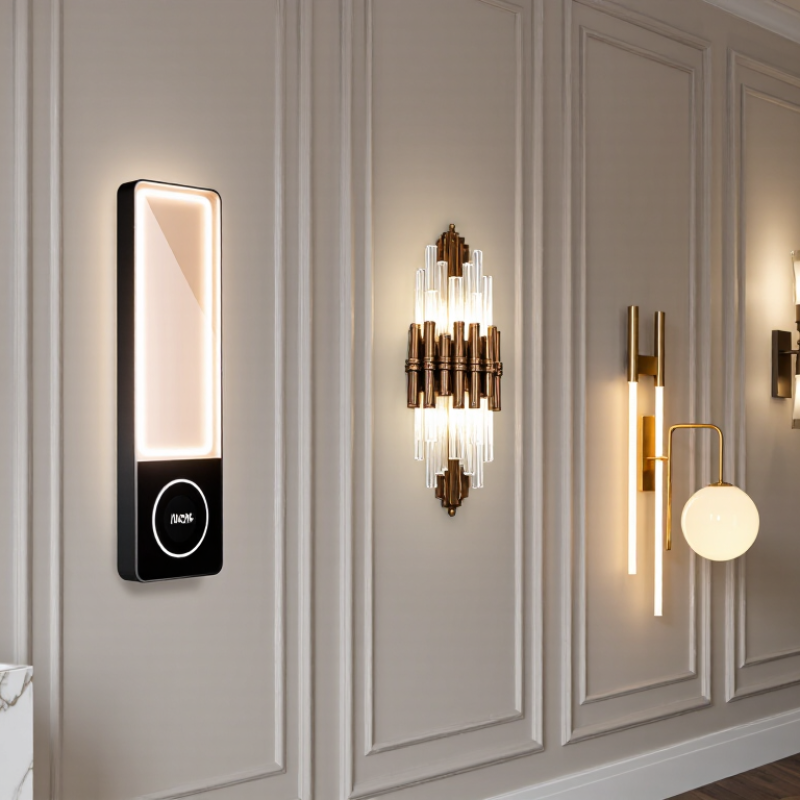
What Are the 2026 Top Types of Luxury Wall Sconces?

Defining Luxury Wall Sconces and Their Role in 2026 Interiors

Luxury wall sconces in 2026 are defined by more than expensive materials. They combine refined craftsmanship, controlled light, and a clear relationship with the room. The strongest types include sculptural sconces, slim architectural fixtures, and integrated LED designs. Sculptural forms can resemble folded metal, carved stone, or illuminated glass. Architectural sconces sit close to the wall and create quiet, precise lines. Integrated LEDs offer even brightness, lower heat, and cleaner profiles. Yet technology alone does not create luxury.

In practice, I judge a sconce by its light before its appearance. A high color-rendering index helps skin tones, artwork, and natural materials appear believable. Soft diffusion reduces glare near mirrors and bedside areas. Warm, dimmable light often feels more comfortable after sunset. Some 2026 interiors also use adjustable sconces, allowing one fixture to support reading, artwork, or ambient lighting. This flexibility matters. A beautiful fixture can still fail if it casts harsh shadows or overwhelms a small wall. I still question overly decorative designs; visual drama is not always comfort.

Tips: Select the fixture after studying the wall, furniture, and evening light. Check mounting height, dimming compatibility, and the lamp’s color temperature. In bathrooms or covered outdoor spaces, confirm the appropriate moisture rating. Use pairs beside a headboard or mirror, but do not force symmetry everywhere. One carefully placed sconce may feel more luxurious than two crowded fixtures. When possible, view a sample at night. That reveals flaws daylight hides.

What Are the 2026 Top Types of Luxury Wall Sconces?

Luxury wall sconces in 2026 combine sculptural form, layered illumination, and practical performance. The chart compares representative lumen-output benchmarks for leading residential sconce applications. These values are design references rather than market-share figures, and actual output varies by fixture, diffuser, room size, and dimming system.

Typical lumen-output benchmarks: decorative sculptural sconces prioritize atmosphere, while vanity and reading sconces generally require higher task-lighting levels.

Exploring the Top Luxury Wall Sconce Types for 2026

Exploring the Top Luxury Wall Sconce Types for 2026 starts with sculptural LED sconces. Their curved metal bodies, ribbed glass, and concealed light sources create a gallery-like effect. These fixtures suit entrance halls, bedrooms, and quiet hospitality spaces. The U.S. Department of Energy reports that LED lighting uses at least 75% less energy than incandescent lighting. It also lasts up to 25 times longer. That makes efficient luxury more practical, not merely decorative.

Adjustable reading sconces are gaining attention in 2026. Swiveling arms, soft-glare shades, and warm color temperatures support real daily use. Minimalist cylinder sconces work well beside mirrors and narrow corridors. Art Deco-inspired designs add stepped silhouettes and polished details, while natural stone or fluted glass introduces tactile contrast. Grand View Research identifies decorative lighting as a growing global market, supported by renovation demand and premium interior projects. Still, market growth does not guarantee good design. An expensive sconce can feel cold when its scale is wrong.

Tips: Check the wall width first. Keep bedside sconces close to shoulder height. Choose dimmable LEDs around 2700K for warmer rooms. Review the beam angle before installation. Some sculptural fixtures cast dramatic shadows, but those shadows may expose uneven walls. This detail is easy to overlook. Ask an experienced lighting professional to test placement with temporary bulbs before final mounting.

What Are the 2026 Top Types of Luxury Wall Sconces? — Exploring the Top Luxury Wall Sconce Types for 2026

A practical 2026 outlook based on established lighting forms, luxury interior applications, material characteristics, and current residential and hospitality design preferences.

2026 Outlook Luxury Wall Sconce Type Defining Design Features Common Premium Materials Light Distribution Recommended Applications Typical Size Range Suitable Color Temperature Key 2026 Design Direction
Very High Architectural Linear Sconce Long, slim profile with a clean geometric silhouette and concealed light source. Brushed brass, bronze, anodized aluminum, frosted glass, and opal acrylic. Soft diffused light, usually vertical or horizontal; some models provide indirect uplighting. Hallways, bathroom mirrors, bedroom walls, corridors, and contemporary living rooms. 45–120 cm high or wide; 5–12 cm deep. 2700–3000 K for warm residential ambience. Minimal profiles, concealed LEDs, dimming, and visually continuous light lines.
Very High Sculptural Artistic Sconce Decorative three-dimensional form designed to function as both lighting and wall art. Hand-finished metal, cast glass, alabaster, ceramic, stone, and textured plaster. Ambient glow with controlled accenting; the shade or body often becomes the focal point. Entry foyers, dining rooms, feature walls, boutique hospitality interiors, and formal lounges. 25–70 cm high; 15–35 cm projection from the wall. 2200–3000 K, depending on the desired atmosphere. Individual craftsmanship, organic contours, tactile surfaces, and gallery-inspired forms.
Very High Alabaster and Natural-Stone Sconce Translucent stone body that reveals natural veining and variation when illuminated. Alabaster, marble, travertine, limestone, aged brass, and dark bronze. Warm, diffused illumination with a soft stone-filtered glow. Luxury bedrooms, spa bathrooms, corridors, living rooms, and hotel suites. 20–60 cm high; 10–25 cm projection. 2200–2700 K to emphasize the warmth of the stone. Natural material authenticity, visible veining, and quieter forms with fewer decorative details.
High Double-Arm Candle-Style Sconce Symmetrical two-light arrangement inspired by traditional candle holders. Forged iron, aged brass, bronze, crystal, linen, and hand-finished steel. Balanced ambient light with upward and outward distribution. Dining rooms, classic hallways, libraries, living rooms, and traditional bedrooms. 30–65 cm high; 25–55 cm wide. 2200–2700 K for a candle-like visual effect. Updated heritage styling, simplified arms, mixed finishes, and discreet LED candle lamps.
High Adjustable Reading Sconce Pivoting arm, rotating shade, or directional head for task-focused illumination. Brass, bronze, powder-coated metal, leather accents, glass, and fabric shades. Directional light that can be aimed toward a book, chair, bedside table, or work surface. Bedrooms, reading corners, home offices, libraries, and hospitality bedside settings. 25–60 cm arm reach; 12–25 cm shade diameter. 2700–3000 K for comfortable reading and relaxation. Compact proportions, integrated switches, USB-C charging, and smooth positioning mechanisms.
High Glass Globe and Opal Sconce Rounded glass diffuser paired with a compact metal backplate or arm. Opal glass, hand-blown glass, ribbed glass, polished nickel, brass, and bronze. Even omnidirectional or semi-diffused light with reduced glare. Bathrooms, powder rooms, bedrooms, corridors, and modern classic interiors. 15–35 cm diameter; 12–25 cm projection. 2700–3000 K for flattering, comfortable illumination. Soft silhouettes, fluted glass, rounded forms, and restrained metal detailing.
High Picture and Display Sconce Slender fixture designed to wash artwork, mirrors, shelves, or architectural details. Brass, bronze, stainless steel, painted aluminum, and frosted or clear lenses. Focused or wide beam directed downward across a surface. Art walls, galleries, libraries, retail displays, dining rooms, and entry spaces. 30–100 cm width; 10–20 cm projection. 2700–3000 K; high color rendering is preferred for artwork. Low-glare optics, adjustable beam control, discreet mounting, and high color fidelity.
High Up-and-Down Architectural Sconce Compact rectangular or cylindrical body that directs light toward both the ceiling and floor. Aluminum, bronze, brass, plaster, stone, and textured ceramic. Two-way indirect illumination that creates a vertical wash on the wall. Exterior-covered areas, staircases, corridors, living rooms, and modern façades. 15–40 cm high; 8–15 cm wide; 8–12 cm deep. 2700–3000 K indoors; 3000–3500 K for some exterior applications. Layered architectural lighting, low-profile bodies, glare control, and energy-efficient LEDs.
Medium–High Fabric-Shaded Luxury Sconce Traditional or transitional wall fixture softened by a textile shade. Linen, silk, parchment, brass, bronze, crystal, and finished wood. Gentle upward, downward, and diffused side light. Bedrooms, hotel rooms, dining rooms, sitting rooms, and classic interiors. 20–45 cm high; 15–30 cm projection. 2200–2700 K for a warm, intimate mood. Natural textiles, tailored silhouettes, subtle trim, and refined transitional styling.
Medium–High Smart Dimmable LED Sconce Integrated LED fixture with electronic dimming and scene-control compatibility. Aluminum, glass, brass, bronze, ceramic, and engineered stone. Diffused, indirect, or adjustable output depending on the fixture design. Whole-home lighting schemes, bedrooms, media rooms, hospitality interiors, and wellness spaces. 20–90 cm high or wide; 6–18 cm deep. 2200–3000 K; tunable-white models may offer a broader range. Human-centered lighting, concealed electronics, programmable scenes, and reduced energy consumption.

Notes: Dimensions and color-temperature ranges are typical planning guidelines rather than fixed specifications. Actual performance depends on the fixture, LED module, diffuser, installation height, dimmer compatibility, and room finish.

Comparing Materials, Finishes, and Lighting Technologies

Luxury wall sconces in 2026 combine sculptural design with more precise lighting control. In residential projects, I often see hand-finished metal paired with frosted glass, alabaster, or textured ceramic. These materials soften glare and create a warmer evening atmosphere. Natural stone looks exceptional, but its veining varies. That inconsistency is part of its character.

Brushed brass, aged bronze, and darkened nickel remain strong finish choices. Brushed surfaces hide fingerprints better than polished metal. Aged finishes also add depth beside wood, plaster, and natural fabrics. However, finish samples can mislead under showroom lighting. Always inspect them beside the wall color and flooring. Small details matter.

Integrated LED sconces are becoming more useful, especially with dimming, warm-color adjustment, and concealed drivers. High color-rendering LEDs can reveal artwork and skin tones more accurately. For bedrooms, adjustable reading sconces offer practical control without excessive brightness. Motion sensors may suit hallways, but they can feel intrusive in quiet rooms. I remain cautious about smart features. An elegant fixture should still work when the network fails.

Some luxury designs prioritize appearance too heavily. Thin shades may look refined but create uncomfortable glare. Complex controls may impress during installation and frustrate daily users. Check beam angle, color temperature, driver access, and replacement procedures before choosing. A beautiful sconce is not successful if maintenance requires removing half the wall.

Matching Sconce Designs to Architectural and Interior Styles

What Are the 2026 Top Types of Luxury Wall Sconces?

In 2026, luxury wall sconces will follow architecture, not merely decoration. Sculptural sconces suit Art Deco rooms, with brass, opal glass, and balanced geometry. Slim linear sconces work well in contemporary homes and narrow corridors. For traditional interiors, candle-style arms add warmth beside carved wood or stone. Adjustable picture lights support galleries, libraries, and layered reading areas.

The U.S. Department of Energy’s Energy Savings Forecast for Solid-State Lighting projects LED penetration could reach 86% of installed lighting stock by 2035. This supports efficient luxury designs with dimming, warm color temperatures, and precise beam control. Still, efficiency does not guarantee comfort. A cold 4000K lamp can make marble feel clinical.

For hospitality-inspired bedrooms, choose 2200K–2700K light and frosted diffusers. In my experience, designers often overestimate visual drama. A quieter fixture can reveal better craftsmanship.

Tips: Match the sconce’s projection to the wall depth. Keep bedside fixtures near eye level, usually 110–140 centimeters above the floor. Use two sconces for symmetry, but allow intentional asymmetry in eclectic interiors. Check the fixture at night, not only in a showroom. The IEA’s 2024 lighting analysis also emphasizes efficient, connected lighting, yet controls should remain simple. Too many settings frustrate residents. A beautiful switch still matters.

Evaluating Placement, Functionality, and Smart Lighting Features

Luxury wall sconces in 2026 are becoming more flexible, sculptural, and intelligent. Popular types include concealed LED sconces, adjustable reading lights, and decorative fixtures with layered glass or metalwork. Placement remains critical. Install bedside sconces about 50–70 centimeters above the mattress, depending on the bed frame and user height. In hallways, fixtures usually look balanced when mounted around eye level. Too high, and the wall feels empty. Too low, and the light can glare directly into the eyes.

Function should guide every design decision. A bedroom sconce needs soft, dimmable light, while a bathroom fixture requires careful moisture protection and even facial illumination. Smart features now include app control, voice commands, motion sensors, scheduling, and adjustable color temperature. Warm light supports evening comfort, while cooler settings can improve alertness during grooming or reading. However, smart controls are not always convenient. A complicated interface may frustrate guests or older users. Physical switches still matter. I have seen beautiful installations weakened by poor switch placement and visible cables.

Tips: Test the light at night before final installation. Sit, stand, and walk past it. Check shadows on nearby surfaces. Choose dimming systems that match the fixture. Confirm wiring compatibility with a qualified electrician. Leave enough space around hinged cabinets and artwork. A small placement error can change the entire room. Regrettably, visual appeal sometimes receives more attention than daily usability.

FAQS

What defines a luxury wall sconce in 2026?

It combines refined craftsmanship, controlled light, and a clear relationship with the room. Expensive materials alone are not enough. Comfort matters.

Which materials work well for luxury wall sconces?

Hand-finished metal, frosted glass, alabaster, textured ceramic, and natural stone create depth. Stone veining varies, but that irregularity can add character.

Why is lighting quality more important than appearance?

Harsh light can create glare and uncomfortable shadows. A high color-rendering index keeps skin tones, artwork, and wood looking believable.

What light settings suit bedrooms?

Warm, dimmable light usually feels comfortable after sunset. Adjustable reading sconces can support bedtime reading without flooding the entire room.

How should sconces be placed beside mirrors or beds?

Study the wall, furniture, and evening light before choosing mounting height. Pairs can frame a mirror or headboard, but forced symmetry may feel crowded.

What should homeowners check in bathrooms or covered outdoor areas?

Confirm the fixture has a suitable moisture rating for the location. Also check dimming compatibility and color temperature before installation.

Are integrated LED sconces a practical choice?

They offer even brightness, lower heat, and cleaner profiles. Check driver access and replacement procedures, because maintenance can become inconvenient.

Are smart features necessary for luxury wall sconces?

Not always. Motion sensors may help hallways but feel intrusive in quiet rooms. A fixture should still work when the network fails.

How can someone judge a sconce before purchasing it?

View a sample at night beside the wall color and flooring. Showroom lighting can hide glare, finish differences, and weak illumination.

What common mistake should buyers reconsider?

Choosing visual drama over daily comfort can backfire. I still question overly decorative designs, especially on small walls. Beauty is not everything.

Conclusion

Luxury Wall Sconces are becoming essential design elements in 2026 interiors, combining decorative character with practical illumination. More than simple light fixtures, they help define a room’s atmosphere, emphasize architectural details, and add a refined focal point to walls. Leading styles include sculptural contemporary forms, minimalist linear sconces, elegant traditional silhouettes, artistic glass designs, and nature-inspired fixtures. Each type offers a different balance of visual impact, softness, and functionality.

Materials and finishes such as brass, bronze, brushed metal, ceramic, stone, and textured glass allow homeowners to coordinate sconces with a wide range of interior styles. Placement is equally important: sconces can frame mirrors, highlight artwork, guide circulation areas, or create comfortable bedside lighting. In 2026, adjustable brightness, warm color temperatures, energy-efficient LED technology, motion sensing, and smart controls further improve convenience and efficiency. By considering proportion, architectural context, light direction, and daily use, designers can select Luxury Wall Sconces that enhance both the beauty and performance of a space.

Evelyn

Evelyn

Evelyn is a dedicated marketing professional with extensive knowledge of the company’s products, services, and customer needs. With a strong ability to translate complex product features into clear, practical insights, Evelyn regularly contributes expert articles to the company’s professional blog.......