0%

In 2026, the best Handcrafted Table Lamps do more than brighten a room. They balance useful light, thoughtful materials, and visible maker’s skill. The designer and craftsman William Morris offered a fitting principle: “Have nothing in your houses that you do not know to be useful or believe to be beautiful.” For a table lamp, both tests matter. A sculptural base may catch the eye, but the shade should still soften glare and direct light where it is needed.

This guide explores ceramic, turned-wood, glass, and metal designs, along with lamps that combine materials or feature hand-stitched shades. Each type has practical differences. Ceramic bases can bring color and weight to a bedside table. Wood adds grain and warmth, though its finish deserves close inspection. Handblown glass can make a room feel luminous, but delicate shapes may need careful placement. Metal offers crisp lines and durability; the shade and bulb determine whether its glow feels gentle or stark.

Details matter. Look for a stable base, clean joins, an even finish, and a shade that sits straight. Ask how the lamp was made and what care its materials need. A handmade label alone proves little; workmanship can vary, even within the same style. That is worth remembering. The right choice depends on the room, the task, and your taste—not a trend forecast. The sections ahead compare these lamp types and explain what to consider before choosing one.
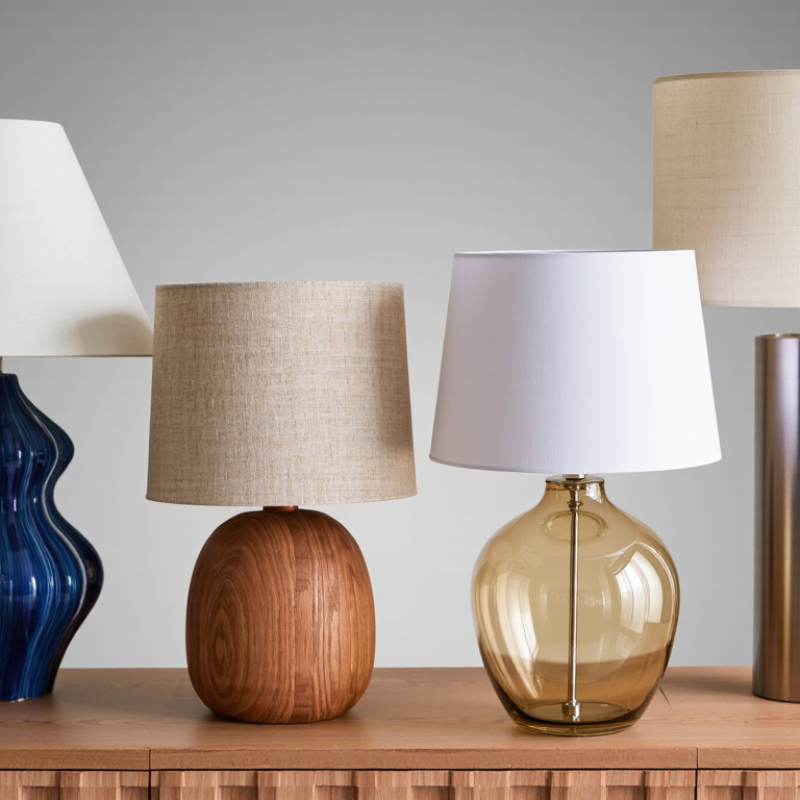
What Are the Best Types of Handcrafted Table Lamps in 2026?

What Defines a Handcrafted Table Lamp in 2026?

What Are the Best Types of Handcrafted Table Lamps in 2026?

In 2026, a handcrafted table lamp is defined less by a rustic look than by visible decisions made during its construction. A maker may shape a ceramic base by hand, turn a wooden stem, or sew a shade to fit a particular frame. Look for honest material details: slight glaze variation, carefully joined parts, or a shade whose seams line up. Details matter. A lamp assembled from ready-made pieces may still be attractive, but “handcrafted” alone does not explain how much work was done by hand. That label can be imperfect, so ask about the maker’s process, materials, dimensions, and replacement parts.

The lamp should work as well as it looks. Check that the base sits steadily, the switch is easy to reach, and the cord exits without sharp bends. The U.S. Department of Energy reports that LED bulbs use at least 75% less energy and last up to 25 times longer than incandescent bulbs. For a handcrafted lamp, confirm that its socket and shade are suitable for the chosen bulb. Good craft includes practical choices.

Tips: Ask whether the shade, socket, and cord can be replaced separately. Inspect the underside and cord entry point, where rushed finishing is easy to miss. A small uneven mark may be harmless; a loose fitting is not. Request clear care instructions, especially for hand-glazed ceramic, unsealed wood, or fabric shades.

Which Materials and Techniques Shape Handcrafted Table Lamps?

In 2026, handcrafted table lamps stand out through their materials as much as their shape. Wheel-thrown ceramic bases can show subtle finger marks beneath a softly glazed surface. Hand-carved wood brings visible grain and small variations that make each piece feel distinct. Small details matter. A hand-blown glass base may catch daylight beautifully, but its weight and balance deserve attention.

The making technique affects both appearance and daily use. Look for stable bases, smooth edges, and shade fittings that sit evenly. A stitched linen shade softens light, while a tightly woven shade creates a more focused glow. Finishes need care, too: porous stone or unsealed wood can mark easily. Slight asymmetry can feel lively, though it may not suit someone seeking a perfectly matched pair.

Tips: Ask how the surface should be cleaned before choosing a lamp. Check that the base stays steady when the shade is touched, and confirm that electrical parts are properly fitted. Warm LED bulbs often complement natural materials without making a small shade feel harsh.

What Are the Main Types of Handcrafted Table Lamps?

Handcrafted table lamps are often defined by their materials and construction. Ceramic lamps bring a tactile, sometimes uneven glaze; their weight can steady a narrow bedside table. Turned-wood lamps show grain and tool marks, while metal lamps offer crisp lines and focused task lighting. Hand-blown or kiln-formed glass can soften light, though a clear shade may reveal the bulb. Textile-shaded lamps give a warmer glow. They can also collect dust.

Some designs combine materials, such as a carved wooden base with a linen shade. The U.S. Department of Energy’s Energy Saver guidance says LED bulbs use at least 75% less energy than incandescent bulbs and last up to 25 times longer. That matters when choosing a handmade lamp for daily use, but check the socket rating and shade clearance before selecting a bulb. Craftsmanship varies. A charming irregular finish may also feel less polished in a formal room.

Tips: Match the lamp’s height to nearby seating, then test its light at night. Look for a stable base, secure wiring, and a shade that directs light where you need it.

What Are the Best Types of Handcrafted Table Lamps in 2026? - What Are the Main Types of Handcrafted Table Lamps?

Lamp Type Common Materials and Craft Appearance Good Uses Light and Shade Considerations Care Notes
Ceramic or Pottery Hand-thrown or hand-built clay, often glazed, painted, or left with a natural finish. Sculptural shapes and varied surface textures; each handmade base may differ slightly. Bedside tables, living rooms, and decorative side tables. An opaque base directs most light through the shade. A fabric shade can soften the light and reduce glare. Dust regularly with a soft cloth. Handle carefully, especially if the base is unglazed or has delicate details.
Turned Wood Wood shaped on a lathe, carved, or assembled by hand; finishes may include oil, wax, or lacquer. Warm grain patterns and natural variations in color and figure. Bedrooms, reading corners, and interiors with natural or rustic materials. A conventional shade provides most of the downward and surrounding light. Keep bulbs and hot components clear of the wood. Wipe with a dry or lightly damp cloth. Avoid prolonged moisture and direct heat.
Blown or Fused Glass Glass shaped by blowing or formed by fusing pieces in a kiln; may be clear, colored, or textured. Translucent surfaces can show bubbles, color variation, or hand-formed contours. Accent lighting in living rooms, entryways, and bedside settings. Some glass bases glow when illuminated, while opaque or heavily textured glass may mainly reflect light. Shade choice affects glare and spread. Use a soft cloth and a glass-safe cleaner on the base. Avoid sudden temperature changes and abrasive materials.
Hand-Forged or Worked Metal Metal shaped, hammered, bent, or joined by hand; common finishes include brushed, polished, or patinated surfaces. Defined lines, visible tool marks, and a range from minimal to rustic forms. Desks, work areas, and rooms that benefit from a more directional look. Metal bases are generally opaque. Pair with a shade that directs light where needed and shields the bulb from view. Dust with a soft cloth. Follow the maker's finish-care guidance; moisture can affect some unsealed metals.
Stone or Alabaster Carved or shaped natural stone, including materials with distinctive veining or translucency. Solid, weighty forms with natural patterns that vary from piece to piece. Stable accent lighting on consoles, side tables, and larger bedside tables. Opaque stone blocks most light; translucent stone may diffuse light through the base. Use a compatible bulb and avoid excessive heat. Dust gently and keep liquids away from porous or unsealed surfaces. Lift rather than drag heavy bases.
Woven or Natural-Fiber Rattan, wicker, bamboo, or other fibers woven or wrapped by hand around a supporting structure. Open patterns and tactile textures create a light, informal appearance. Casual living spaces, sunrooms, and rooms with natural textures. Openwork may allow light through the base and create patterned shadows. Use a shade or diffuser if the bulb is exposed. Dust with a brush or soft cloth. Keep dry and follow the lamp's electrical safety instructions.
Handmade Fabric Shade Fabric stretched or stitched over a frame; may feature pleating, embroidery, or other hand-applied details. Softens a lamp's outline and adds color, pattern, or texture. Bedrooms and living areas where comfortable, diffused light is preferred. Fabric shades diffuse light through the material and often direct it upward and downward. Choose a shade size suited to the base and bulb. Dust with a clean, dry brush or low-suction vacuum attachment. Keep fabric away from the bulb and other heat sources.

How Do Lamp Types Differ in Style, Light, and Function?

In 2026, handcrafted table lamps differ as much in the light they cast as in their materials. A ceramic lamp with a linen shade softens a bedside corner, while a turned-wood base brings visible grain to a desk without demanding attention. Sculptural metal designs often direct light downward, making them useful for reading, though their exposed bulbs can feel harsh.

Stained-glass and pierced-ceramic shades create patterned pools of light on walls and tabletops. Beautiful, yes, but they may be less practical for detailed work. Shade shape matters too: a broad, pale shade spreads light, while a narrow or dark shade focuses it. That matters at night. The U.S. Department of Energy’s Energy Saver guidance says LEDs use at least 75% less energy and last up to 25 times longer than incandescent bulbs, so a compatible LED can make even a decorative lamp useful for daily lighting.

For function, check the socket, bulb access, shade clearance, and switch before choosing a handmade piece. A heavy base feels reassuring on a busy side table; a compact base leaves more room for books. Dimmability helps shift a lamp from focused task light to a softer evening glow, but only when the bulb and dimmer are compatible. One imperfect detail is easy to overlook: a beautiful lamp can still cast light straight into your eyes.

How Can You Choose and Care for the Right Lamp?

Choose a lamp for the task and the room, not just its finish. A ceramic base feels grounded on a bedside table, while a slim wooden or metal stem leaves more desk space. For reading, look for a shade that directs light onto the page without shining into your eyes. Check the base for wobble, the cord for damage, and the socket label for its maximum bulb wattage. Small details matter.

Bulb choice affects comfort and running costs. The U.S. Department of Energy’s LED lighting guidance reports that LEDs use at least 75% less energy and can last up to 25 times longer than incandescent bulbs. For a handcrafted lamp, confirm that the bulb fits the shade and that any dimmer is LED-compatible. Warm light often suits bedrooms; a brighter, neutral tone may help with close work. Still, color and brightness are personal—what looks calm in a shop can feel harsh at home.

Care depends on the materials. Unplug the lamp before cleaning, and dust a fabric shade with a soft brush or dry cloth. Wipe glazed ceramic or sealed wood gently; avoid soaking joints or finishes. Never exceed the socket’s wattage limit, even if a higher-powered bulb seems convenient. A handmade surface may have slight variations, but that does not prove it is durable. Check the maker’s care instructions, and inspect the plug and cord occasionally. Minor wear is easy to overlook.

What Are the Best Types of Handcrafted Table Lamps in 2026?

Base material can influence a lamp’s heft and feel. This chart compares approximate densities of materials commonly used for handcrafted lamp bases; actual lamp weight also depends on size and construction.

Choosing and caring: Walnut suits a natural look; ceramic and glass offer varied finishes; brass has a substantial feel. Dust regularly with a soft cloth, follow the maker’s cleaning instructions, and keep liquids away from electrical parts. Material density is approximate and does not indicate the finished lamp’s weight.

FAQS

What makes a table lamp handcrafted?

Look for visible choices, such as a hand-shaped ceramic base, turned wooden stem, or fitted shade. Small variations may appear. The label alone is not proof.

What details should I inspect before buying?

Check the lamp’s underside, cord entry, joints, and shade seams. The base should sit steadily, and the switch should be easy to reach. Details matter.

Can handcrafted parts be replaced?

Ask whether the shade, socket, and cord can be replaced separately. Clear care instructions are useful, too. Not every maker offers the same options.

Which lamp shape works well on a desk?

A slim wooden or metal stem can leave more desk space. For reading, choose a shade that lights the page without shining into your eyes.

How do I choose a suitable bulb?

Check the socket’s maximum wattage and make sure the bulb fits the shade. If the lamp has a dimmer, confirm it supports the bulb type.

Are LED bulbs a practical choice?

The U.S. Department of Energy says LEDs use at least 75% less energy and last up to 25 times longer than incandescent bulbs. Fit still matters.

How should I clean a handcrafted lamp?

Unplug it first. Dust fabric shades with a soft brush or dry cloth. Wipe glazed ceramic and sealed wood gently; avoid soaking joints.

Do small surface marks mean a lamp is durable?

No. Slight glaze or finish variations may be harmless, but they do not prove durability. I might focus too much on appearance, so inspect the fittings and cord as well.

Conclusion

In 2026, Handcrafted Table Lamps stand out through the skill, materials, and individual details that shape each piece. Artisans may work with wood, ceramic, glass, metal, or natural fibers, using techniques such as carving, shaping, weaving, and hand-finishing. These choices influence a lamp’s appearance, durability, and the quality of light it provides, making craftsmanship an important part of both its function and character.

Common types include sculptural accent lamps, traditional task lamps, ceramic or glass designs, and lamps made with woven or natural materials. Each offers a different balance of style, brightness, and practicality. To choose the right lamp, consider the room’s decor, the intended use, the light level you need, and the lamp’s size and materials. With routine dusting, careful handling, and suitable bulb choices, a handcrafted lamp can remain a useful and distinctive part of a room for years.

Evelyn

Evelyn

Evelyn is a dedicated marketing professional with extensive knowledge of the company’s products, services, and customer needs. With a strong ability to translate complex product features into clear, practical insights, Evelyn regularly contributes expert articles to the company’s professional blog.......